
Turning the office into a unique environment: Keys to strengthening culture and participation
A new office concept
The pandemic completely transformed the way we work around the world. Remote work gave employees the freedom to avoid commuting and spend more time with their families, while employers discovered that productivity did not always depend on being physically present in the office.

Today, as companies around the world strive to get employees back into the office, the situation remains challenging.
It’s not just about reopening the office doors; it’s about revitalizing the company culture, fostering face-to-face interactions, and creating an environment that’s so dynamic and appealing that employees will want to come back.
It’s not about keeping people tied to their desks, but about motivating them to collaborate, innovate, and grow within the office. If you’re an HR professional or a business owner wondering how to make the office an irresistible place, this article is for you
Understanding employees' perspectives
Before developing a strategy for bringing employees back to work, it is essential to understand their needs and the challenges they face in returning to the office in person.
Findings from some studies
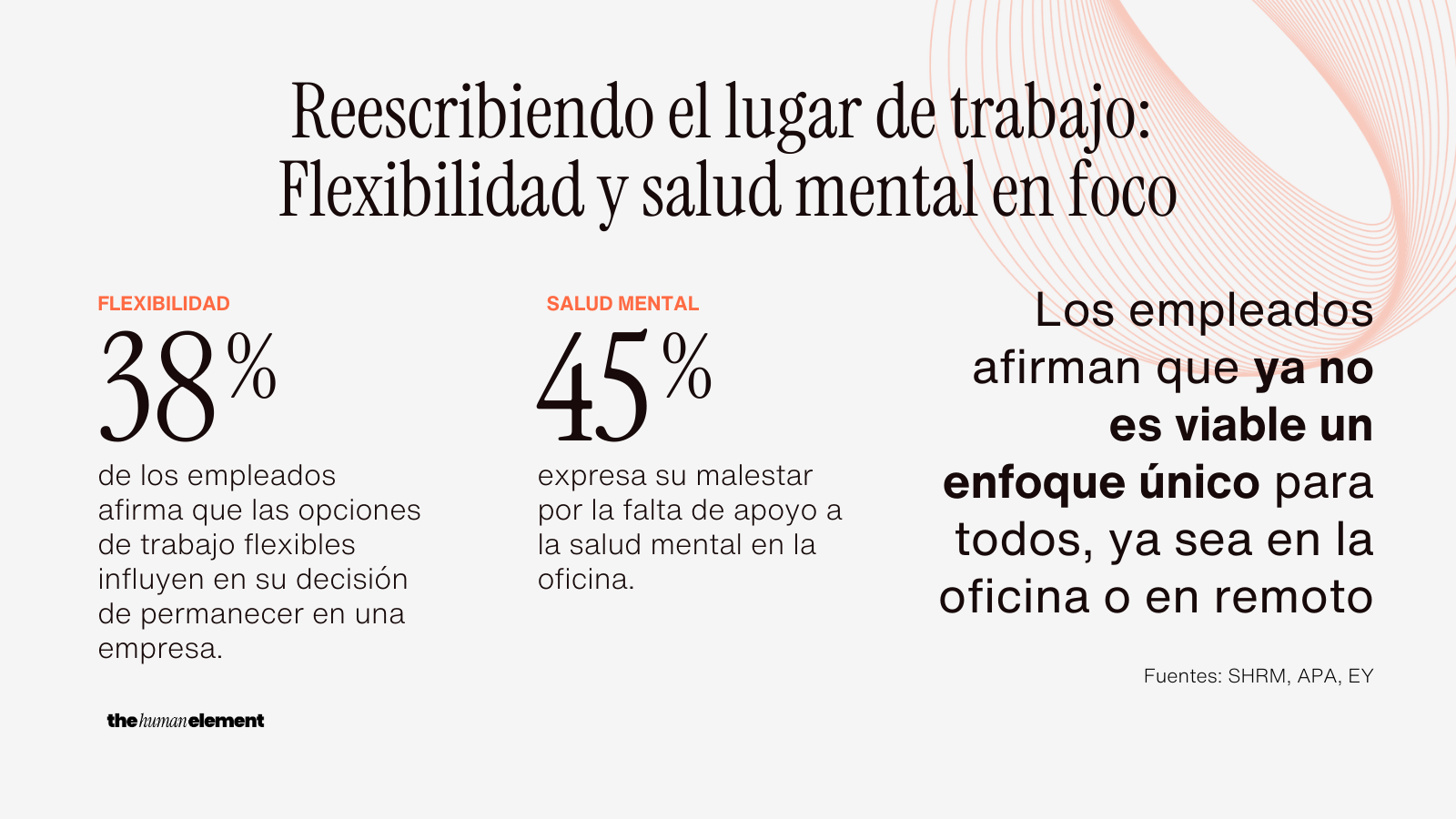
The American Psychological Association's 2023 Workplace Survey reveals a significant shift in how employees perceive their work environment.
38% of employees say that flexible work options influence their decision to stay with a company. (source)
45% express their dissatisfaction with the lack of mental health support in the workplace. (source)
Employees say that a one-size-fits-all approach is no longer viable, whether in the office or working remotely. (source)
Challenges of Returning to the Office
Why many employees are hesitant to return to the office:
Commuting has become a burden. After years of productive remote work, long commutes now seem unnecessary to many.
Office spaces are uninspiring. The traditional layout of cubicles stifles creativity and collaboration.
Fears about work-life balance. Employees fear losing their personal freedom and flexibility.
Lack of incentives. Without compelling reasons to return, remote work becomes the default option—the "best" option.
To rekindle enthusiasm for the office, organizations must prioritize employee engagement and empathy.
Tips for transforming the office into an inviting space
Now that we understand employees’ perspectives, let’s see how we can transform the office into a place where they want to meet, collaborate, and contribute.
Job with flexible hours
Implement a hybrid model that combines the best of remote and in-office work. Offer employees options such as:
Choose your days: Let employees decide which days to work in the office.
Key collaboration times: Require in-person attendance only for specific activities, such as team-building sessions or brainstorming workshops.
This approach creates a balance and allows employees to tailor their work schedule to their needs and lifestyle.
2. Renovate the office space
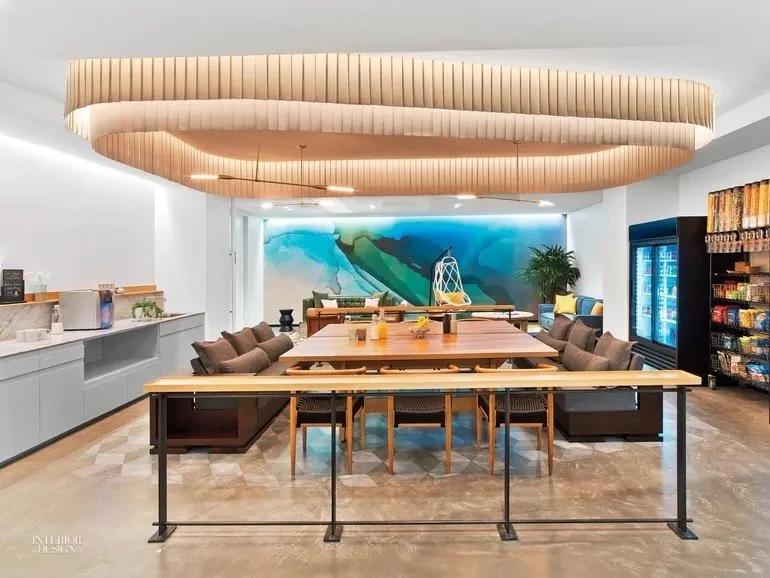
The future of workspaces lies not in desks, but in experiences.
Create collaborative spaces. Set up open areas where the team can exchange ideas and work together.
Add comfort and creativity. Think of cozy corners with plants, modular furniture, natural light, and quiet areas where you can focus on work.
Social spaces are important. Whether it’s a coffee shop, a play area, or a chill-out zone, design spaces that encourage casual interactions.
3. Implementation of wellness programs
Companies that prioritize their employees' well-being achieve higher productivity levels, more effective retention strategies, and better retention rates.
Some key approaches:
Mental health resources: Offers on-site counseling services or partners with apps like BetterHelp.
Fitness initiatives: On-site yoga classes, desk ergonomics workshops, or gym discounts show that health is a priority.
Moments of Mindfulness: Weekly meditation or reflection sessions help foster more mindful and balanced employees.
4. Cultural and Social Commitment
Reignite enthusiasm in the workplace through shared experiences.
Organize off-site activities or cultural visits, such as trips to museums.
Invite inspiring speakers to foster creative thinking.
Organize team-building workshops that combine training and fun, such as mixology classes or leadership development exercises.
These initiatives strengthen team bonds and foster long-term employee loyalty.



Communicating Change Effectively
Change only works when it resonates. Effective communication fosters transparency, builds trust, and helps employees embrace it.
Clear Communication
This is what effective communication looks like:
Clarity on the WHY: Explains how interactions in the office drive innovation and professional growth.
Empathy over politics: It emphasizes that flexibility and work-life balance remain key priorities.
Two-way communication: It provides employees with a space to voice their concerns or suggestions.
Some examples
Dropbox adopted a "Studio Flex" model: employees use open-plan offices that are 50% smaller than before, but they outperform others in terms of collaboration.
HubSpot invested heavily in employee-led committees to revamp its hybrid structure. The result? Greater engagement and talent retention.
Success stories like these show that human-centered design works in the workplace.
Technology and tools for a smooth transition
Facilitates hybrid workflows
Efficiently combine physical and digital workspaces with these tools:
Collaboration platforms: Tools such as Slack, Microsoft Teams, and Miro ensure smooth communication.
Scheduling tools: Use tools like Deskpass to schedule in-person meetings at the office.
Cloud integration: Centralize team workflows using platforms such as Google Drive and Monday.com.
Promote employee performance tracking
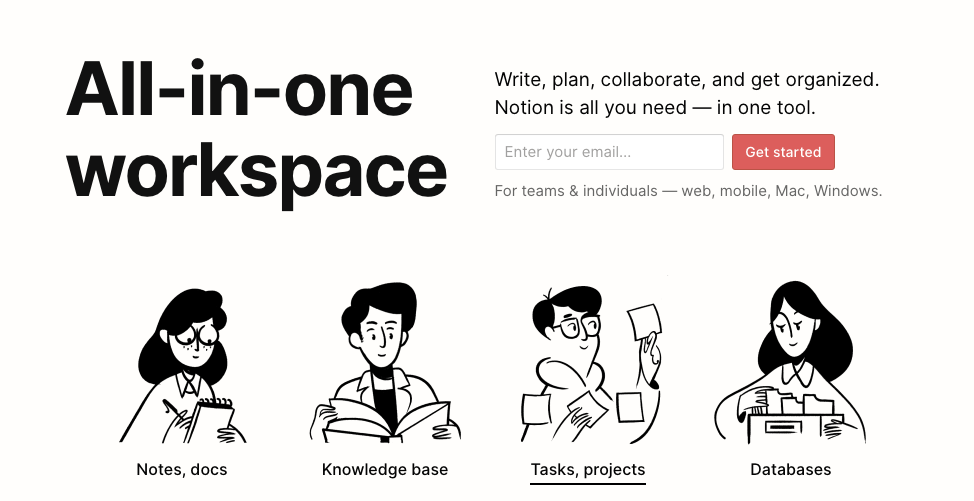
Invest in technology that measures performance in a meaningful way, focusing on productivity rather than surveillance. Platforms like Notion allow leaders to empower teams with clarity, without the need for micromanagement.
Shaping a Balanced Future of Work
The key to a unique office? Balance and purpose.
When organizations prioritize well-being without neglecting business results, extraordinary things happen.
Small changes with a big impact—such as reinventing workplace culture, organizing inspiring team-building sessions, or fostering empathy in the workplace—create a ripple effect. Teams become happier, more collaborative, and deeply committed.
Remember that this is an ongoing process. Encouraging feedback and acting on it helps the workplace continue to evolve.
Want to discover new perspectives and strategies? Explore our experiences or join the conversation on leadership development and empathy-driven corporate culture. Together, we can redefine the future of work.
If you're ready to inspire and motivate your team in new and meaningful ways, explore our catalog of cultural experiences
Are you looking for something unique and special for your employees or customers?
Please contact us at hello@humanelement.studio, and together we will design a customized experience that sparks creativity and fosters collaboration, helping your organization thrive in today’s dynamic business landscape.
The power of art awaits you: build an innovative, connected, and inspiring workplace culture.