
Connecting with Gen Z: the new face of work
The world of work is undergoing a massive transformation. Generation Z is making a strong entrance into the workplace, bringing new perspectives, an innate mastery of the digital world, and values that challenge traditional structures.
Conversations are changing, growth expectations are being redefined, and the demand for a clear sense of purpose is stronger than ever. For business leaders, managers, and HR professionals, understanding and engaging with Gen Z is key to building innovative, future-ready teams.
To explore this phenomenon further, we spoke with Janira Planes, Brand Strategist at HAMLET Strategic Makers.
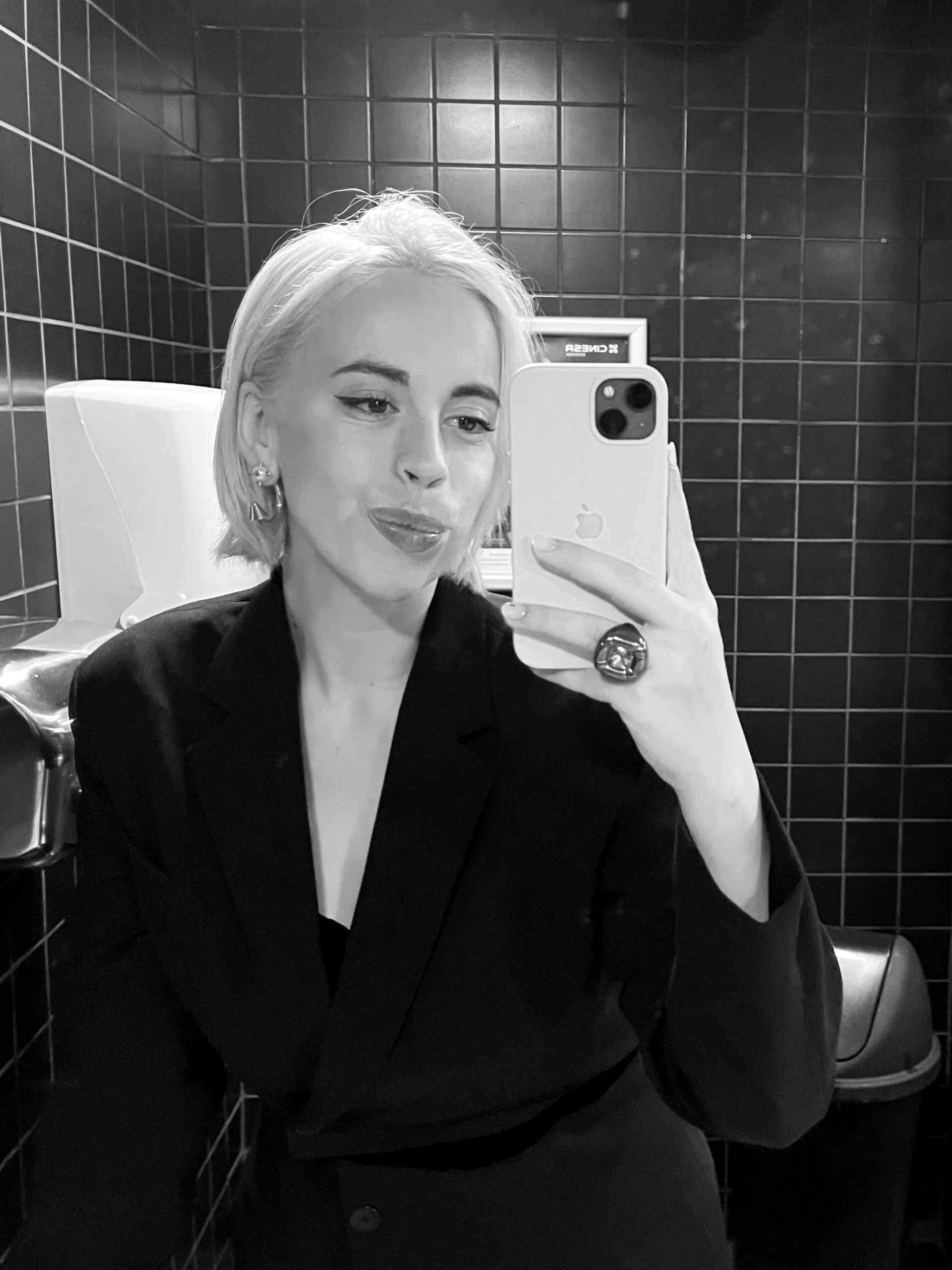
Janira advises brands on developing communication and content strategies aimed at younger generations. She has contributed to media outlets such as El Periódico, RAC1, and TV3, and is the author of *Truffle Season*, establishing herself as an expert voice on technology, business, and digital culture. Her insights help us understand how to connect with Gen Z in an authentic and effective way.
Why is Gen Z the future of work?
Generation Z, born between 1995 and 2012, accounts for 24.3% of the U.S. population and is on the verge of outnumbering Millennials. Considered the most diverse generation in history, its strong ethnic and cultural representation, combined with high digital literacy and social awareness, makes it the driving force behind the labor revolution. This cohort is projected to contribute $44 billion to the national economy and transform traditional models, just as the digital revolution did in its time.
Busting Myths: The Real Face of Gen Z
One of the most common myths is that "Generation Z doesn't want to work and lacks ambition." Janira clarifies:
“Many people think we don’t want to work and that we lack ambition. In reality, Gen Z is extremely ambitious and is always exploring various career options. This may seem like a lack of commitment, but it’s actually a search for growth and alignment with their values. Furthermore, they prioritize well-being and flexibility, which is sometimes misinterpreted as disinterest or a lack of effort.”
This response invites us to rethink how we interpret the range of options that young professionals are seeking today. Their interest in well-being and flexibility is not a sign of disinterest, but rather a more sustainable way of working that aligns with their values.
Speaking the Same Language: Digital Communication and New Languages
Gen Z professionals are known for their fast-paced, dynamic, and deeply digital communication style. As highlighted in the Stanford article from Stanford, “8 Ways Gen Z Will Change the Workforce,” we use slang, emojis, and abbreviations that effectively connect us in a hyperconnected world.
When asked about the impact of these tools, Janira says:
“In reality, Gen Z’s digital mindset means they’re mostly self-reliant workers who take the initiative to figure things out when they don’t know something and tend to learn quickly. It’s important to make internal work processes clear from the start, but everyone is different. Generally, it’s best to put things in writing first and then make a call, or use tools like Slack or work chat apps to avoid overusing phone calls; but the truth is, if necessary, Gen Z adapts to anything.”
Values That Transform: Ethics and Balance
Generation Z not only dominates the digital world, but also deeply values work-life balance, ethics, and social impact. A report by the Network of Executive Women and Deloitte reveals that 77% of young people insist on working for companies whose values align with their own. Forbes highlights how they challenge traditional norms in pursuit of greater transparency and social impact.
When discussing this topic, Janira explains:
“Corporate values and ethical initiatives are particularly important because Gen Zers, who have the freedom to choose where they work, want to work at places that are cool and fun. This is either because the company has strong brand recognition that gives them status, or because there’s a great work environment and colleagues they enjoy spending time with—and also, a workplace where they can grow professionally and where their mental health is taken into account.”

Ambition and Flexibility: The New Work Style
The search for roles that offer diverse and entrepreneurial opportunities within a stable environment is another distinctive feature. A 51% of young people show a strong interest in the technology sector, although there is also a marked attraction to education and healthcare. Despite their affinity for digital communication, they value face-to-face collaboration and mentoring.
Janira talks to us about the need to balance structure and flexibility:
"If there is a roadmap, projects, and deadlines to meet, flexibility is possible because the process itself can be flexible. What needs to be clear is what needs to be launched, completed, or delivered, and by when. The rest—despite the urge many people feel to micromanage—is a process that is very difficult to keep under control."
Addressing Outdated Practices: The Key to Open Dialogue
In today’s workplace, many young Generation Z professionals feel trapped in practices and structures that seem to belong to another era. Rather than fostering innovation, these ways of working often lead to demotivation and frustration. It is essential that organizations acknowledge these concerns and create spaces where feedback is valued and translated into concrete actions.
Faced with this challenge, the question arises: How can organizations address these concerns and foster open dialogue? According to Janira, the answer is simple yet powerful:
"The best approach is to ask directly, whether through meetings, interviews, or surveys. It is essential to create opportunities where feedback is valued and translated into concrete actions."
This response highlights the importance of taking the time to truly understand employees’ needs, discover what motivates them to perform at their best, and learn where their ideas and moments of productivity come from.
As Generation Z redefines the workplace with its digital and values-driven approach, business leaders and HR professionals must adapt their strategies by tailoring professional development, adopting digital communication tools, and fostering a culture of inclusion and ongoing dialogue to attract and retain talent from this new generation.
The Human Factor: The Key to Connecting with Generation Z
While Generation Z is known for its mastery of the digital world, its view of work isn’t limited to technology and flexibility alone. Beyond digital tools and hybrid work models, this generation seeks genuine connections, meaningful experiences, and a corporate culture that values humanism, creativity, and empathy.

WORKSHOP
Generation Z: Culture, Connection and Change
In an environment where automation and artificial intelligence are advancing rapidly, the ability to create authentic experiences and foster personal growth in the workplace has become essential. As Janira Planes explains, this generation doesn’t just want a job; they want an environment where they feel like they’re part of something bigger. It’s not enough to offer attractive benefits; the companies that truly connect with Gen Z are those that provide them with opportunities for continuous learning, creative exploration, and the development of interpersonal skills.
In this regard, companies that prioritize culture and the human element are better positioned to attract and retain talent. The key lies not only in digitalization, but in balancing technology with authenticity, human connection, and community-building in the workplace.
Adapting to Generation Z means not only modernizing processes, but also reimagining how companies foster creativity, innovation, and a sense of belonging within their teams.
The Future of Work: A Hybrid Approach Focused on Well-Being
We asked Janira how she thinks the future of work will evolve as more Gen Z professionals enter the workforce. Her answer was direct and revealing:
“The future will be more hybrid, with flexible schedules and work arrangements. There will be no fear of having to go offline for a couple of hours because you need to run an errand at the bank or go to a doctor’s appointment. Communication will be more direct, and there will be greater attention paid to everyone’s mental health.”
This perspective highlights the transformative impact of Generation Z on the workplace. Their digital mindset, their unwavering search for purpose, and their demand for flexible and inclusive environments are redefining the traditional rules.
Generation Z is looking for a place where they can grow, contribute, and feel like they’re part of something bigger. Companies that understand and adapt to this mindset will not only attract this emerging talent but will also be better prepared to face the new reality of the future workplace.
It’s time to embrace change, foster dialogue, and shape the future of work together.
At The Human Element, we believe in a smarter, more connected approach to corporate success, one that seamlessly blends innovation, empathy, and culture.
Are you ready to unlock your team's potential? Are you willing to invest in meaningful team-building activities that strengthen professional connections?
Book today your first cultural experience and discover how the power of art, creativity, and connections can transform relationships within your organization.
Together we can build a more committed, creative, and empathetic business world.