
The new paradigm of team building: building teams through meaningful cultural experiences
The traditional model of team building has lost its effectiveness in today's workplace.
Although conventional activities such as escape rooms and trust-building exercises may generate temporary enthusiasm, they fail to address the fundamental human need that drives sustainable engagement: purpose and meaning.
The latest research confirms a global crisis in workplace engagement. According to Gallup data, only 20–25% of employees worldwide are truly engaged at work, while the majority simply exchange time for pay. For business leaders in Barcelona, this represents both a crisis and an unprecedented opportunity.
The Anthropological Approach to Engagement
As human beings, we are inherently cultural creatures who form deeper connections through shared experiences that go beyond superficial interactions.
Research in organizational development shows that when teams explore cultural spaces together—such as the Picasso Museum in Barcelona—or take part in guided architectural tours of the Gothic Quarter, they are not only learning about art and history; they are creating shared meaning that becomes part of their collective organizational history.
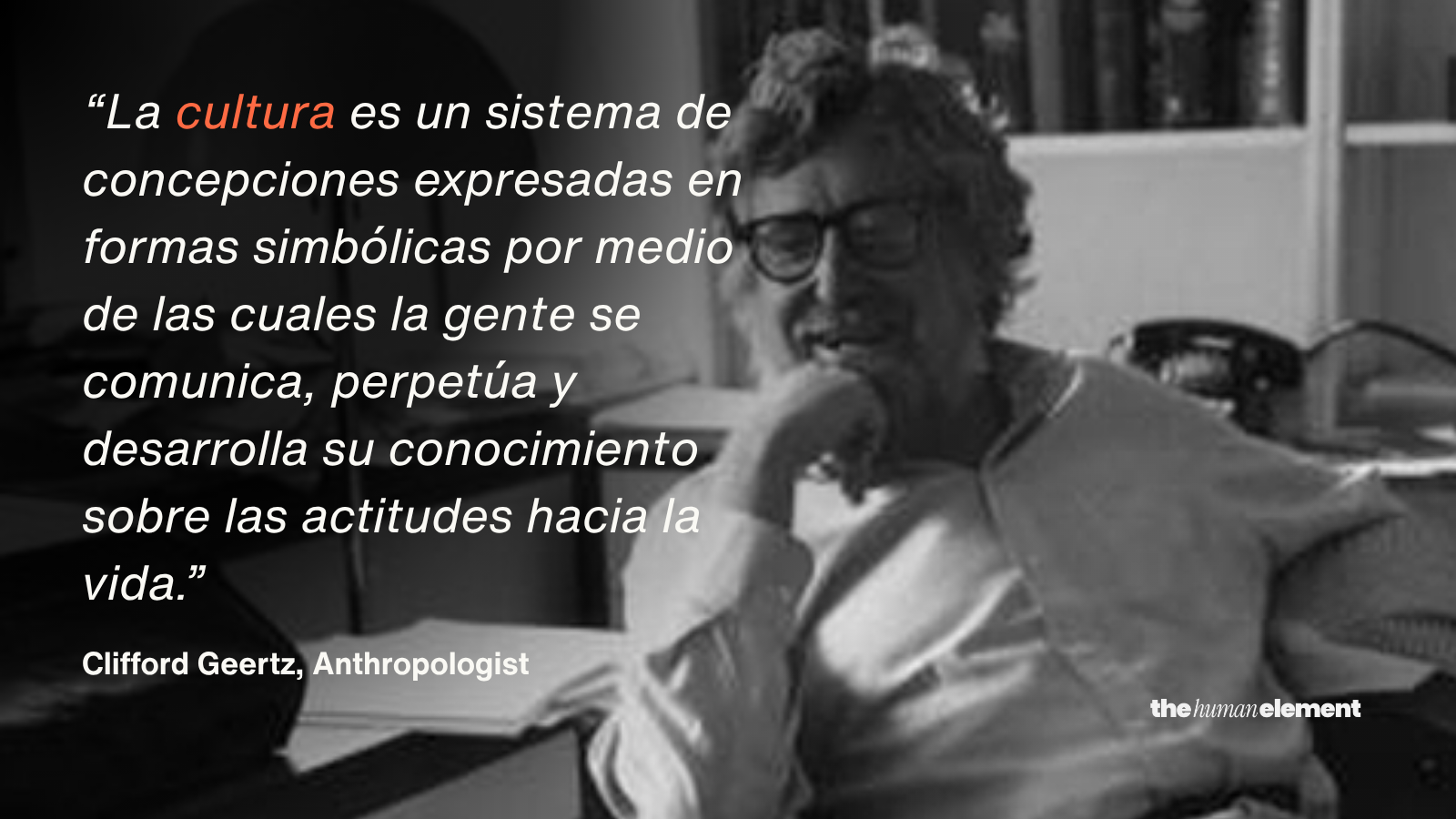
This cultural immersion triggers what researchers call "elevated collective experiences"—moments that shift team dynamics from transactional to transformational. Unlike traditional team building, cultural experiences provide rich contexts for authentic conversations, natural collaboration, and genuine discovery of colleagues’ perspectives and values.
Barcelona's Cultural Advantage
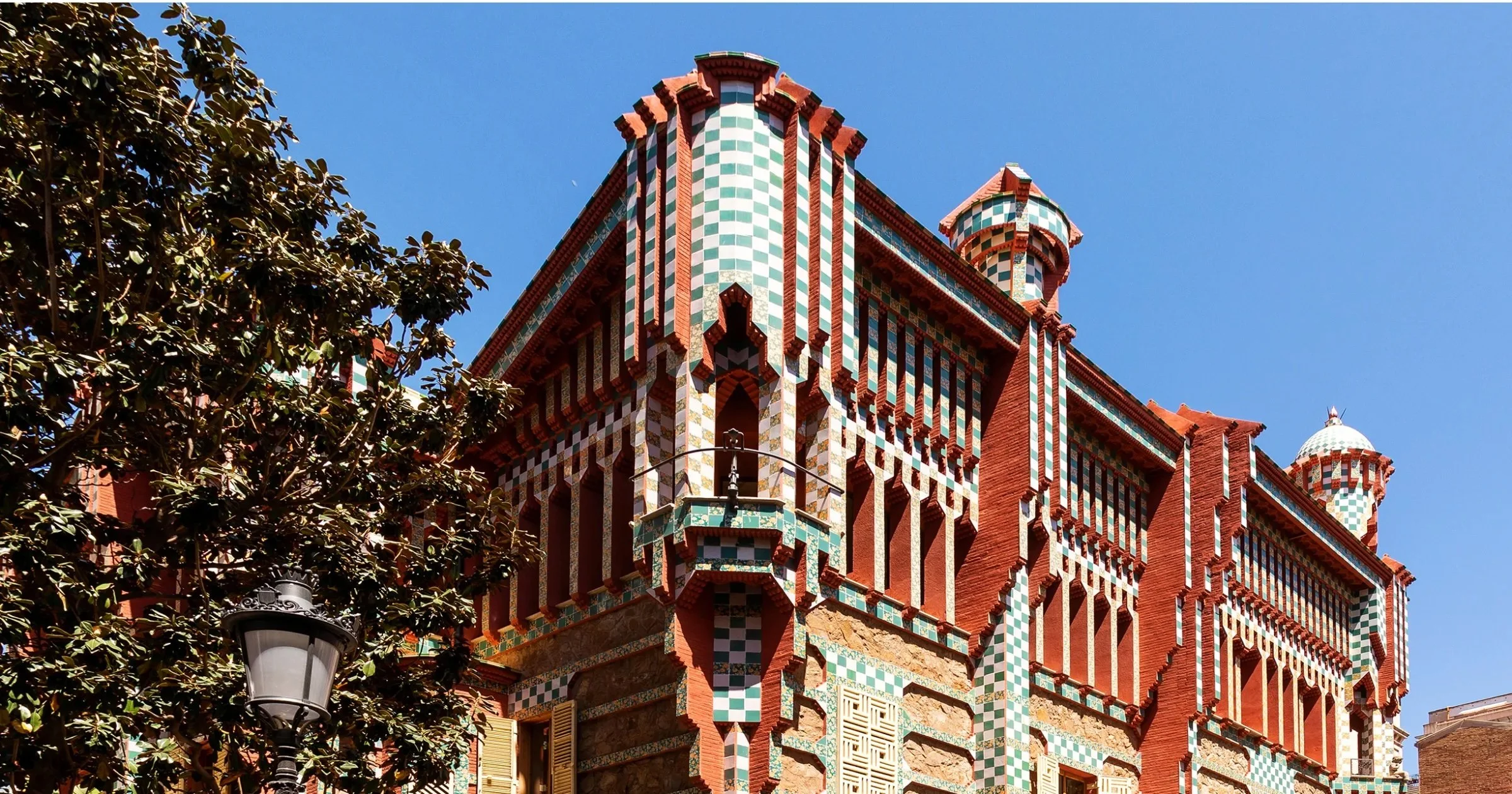
Barcelona offers an unparalleled setting for the cultural development of teams. The city’s layers of history—from its Roman foundations to its Modernist masterpieces—reflect the complexity of modern organizations. Teams visiting Casa Vicens not only admire Gaudí’s vision; they experience firsthand how individual creativity contributes to collective harmony.
Shared cultural experiences create stronger bonds than artificial team-building exercises. These cultural memories are embedded differently in our consciousness, providing shared points of reference that strengthen team cohesion over the long term.
Measuring Cultural ROI: Verified Data
Companies that implement cultural engagement strategies report significant and measurable improvements. According to recent studies on the impact of employee engagement:
A 15–20% reduction in employee turnover when employees find purpose and meaning in their work.
A 10–15% increase in productivity linked to more meaningful work experiences.
A 20–30% improvement in cross-departmental collaboration resulting from shared experiences that foster stronger interpersonal bonds.
These are not intangible benefits: they are concrete impacts that justify cultural investment.
Research confirms that intrinsic motivation, which stems from a sense of meaning and purpose in one's work, shows a with performance than traditional extrinsic incentives.
The key lies in intentional curation. Casual visits to museums will not yield these results. Teams need guided experiences that connect cultural insights with workplace dynamics, facilitated by professionals who understand both cultural interpretation and organizational development.
The human factor
Current research on workplace well-being shows that employees are increasingly seeking meaningful work that aligns with their personal values and life purpose. Cultural experiences address this fundamental human need by providing rich contexts where employees can:
Connect with broader narratives that give meaning to their work
Build genuine emotional connections with your colleagues
Experience moments of inspiration that renew your commitment
Create shared memories that strengthen the team's identity
Tips for Effective Cultural Team Building
To effectively implement cultural team building, organizations must:
Design intentionally structured cultural experiences that align with organizational goals
Include professional facilitation that combines cultural interpretation with team building.
Create opportunities for group reflection that allow teams to process and apply their experiences
Incorporate these experiences into broader development programs rather than treating them as isolated events
As our understanding of employee motivation evolves beyond pay and benefits toward purpose and connection, cultural experiences are emerging as essential leadership tools. Leaders who embrace this approach are not only improving engagement metrics; they are building more resilient, creative, and cohesive organizations.
The future belongs to companies that recognize the full humanity of their employees. In Barcelona, that future begins with a single cultural experience that reminds teams why meaningful work matters. Scientific evidence supports what we intuitively know: human beings thrive when they find purpose, connection, and meaning in their work.
Ready to transform your team’s culture with cultural experiences that go beyond the ordinary?
At The Human Element Studio, we design bespoke experiences that connect employees with their surroundings, the local culture, and one another. Contact us today to discover how, together, we can create shared stories that drive engagement, creativity, and success within your organization.