
The humanistic approach to FoodTech: how Novameat combines science, creativity, and culture
In Barcelona, a city where gastronomy dialogues with science and art, Novameat represents a new generation of companies that understand technology as a means to serve humanity. Its founder and CEO, Giuseppe Scionti, expresses it clearly:
“We believe that everything starts with a combination of technology and education. From the outset, the scientific aspect must be linked to the humanistic aspect.”
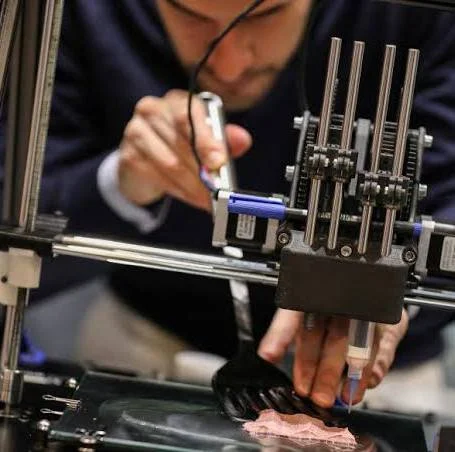
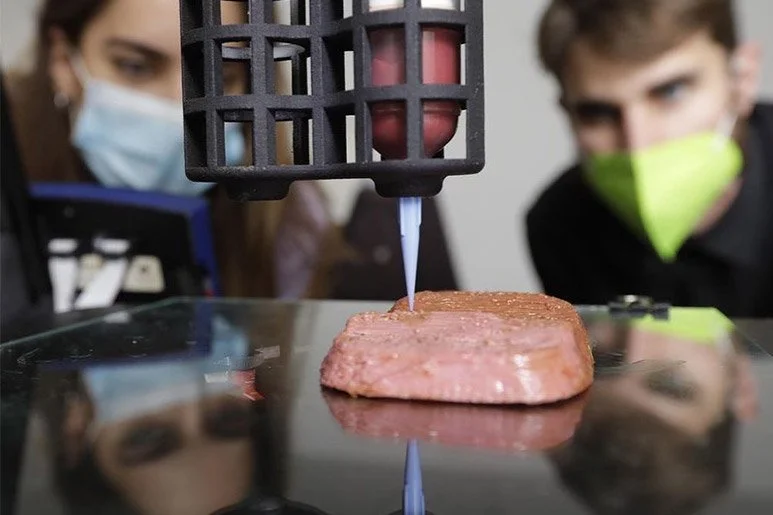
That idea—that innovation must translate into something that society can understand and embrace—defines the DNA of this Barcelona-based food tech company. Beyond 3D printing plant-based meat, its purpose is to create a more sustainable and ethical food system, integrating science, art, and culture into every step of the process.
Science with soul: bringing together technology and education
For Giuseppe, the challenge is not only to perfect the technique, but also to translate scientific knowledge into social impact. "What we do that is new in this field," he explains, "must be communicated to society. It is not enough to innovate; we must also teach."
This perspective reflects a growing trend: technological innovation needs cultural mediators. In the case of Novameat, the company acts as a bridge between the laboratory and the table, between scientists and chefs, between research and the human experience of eating.
The art of cooking the future
"What we do in food is always a blend of science and art."
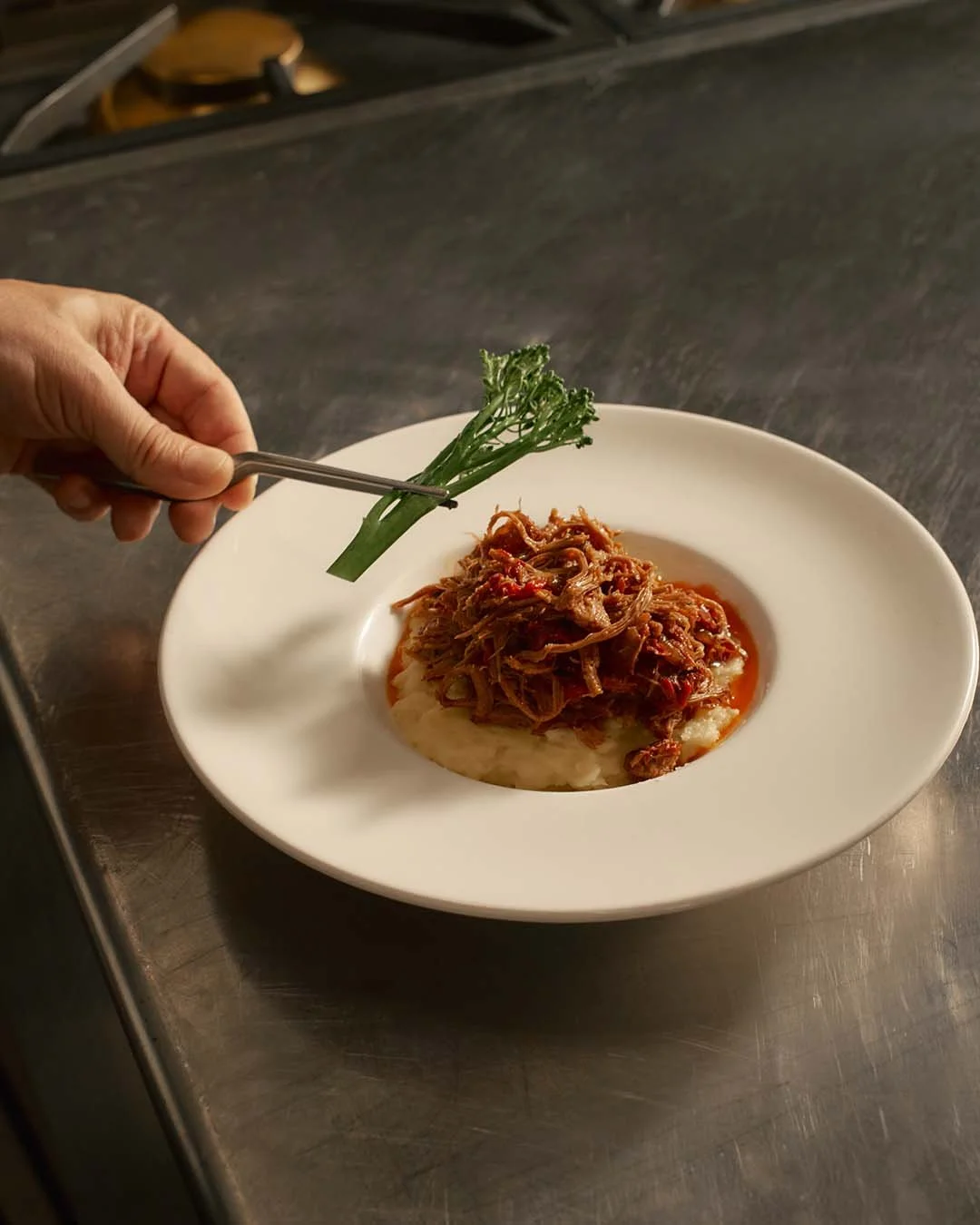
This is how Giuseppe sums up the spirit of Novameat. Since its founding, the team has consulted some of the world's best chefs to understand how to integrate its products into existing culinary traditions.
This collaboration is reminiscent of Ferran Adrià's revolution at elBulli, who demonstrated that culinary creativity can be a form of scientific thinking.
In this sense, food innovation is very similar to business innovation: both processes require experimentation, failure, and starting over, but above all, dialogue with tradition. In Giuseppe's words, the challenge lies in working "with natural ingredients that straddle the line between tradition—which in places like Italy or Barcelona is considered almost a religion—and innovation."
That tension, handled with respect and curiosity, is what transforms a product into culture.
Learning from the past to imagine the future
Giuseppe and his team take time to look back:
“As we are building a new food system, it is important to study what has happened before: how food companies have served society with innovative technologies and processes.”
This historical perspective is essential. Understanding how society has accepted or resisted innovations in the past helps us design more humane strategies for the present. Just as companies study consumer behavior, Novameat studies history as an ethical and cultural compass.
Empathy: the most technological value of all
When asked about the importance of values such as empathy and curiosity in the food industry, Giuseppe responds without hesitation:
"Being empathetic means understanding not only what your customers need, but also what consumers and food producers think."
This dual empathy—internal and external—translates into more conscious business practices. Understanding the emotions and needs of all stakeholders in the system allows for the creation of sustainable solutions that transcend the product itself.
In this case, empathy is not an ethical embellishment: it is a strategic tool for purposeful innovation.
Creativity at the limits
Creativity, explains Giuseppe, "is what really matters when you work in food innovation."
Finding the balance between the familiar and the new is an art form in itself. "When you try to do something good for the planet and for society," he adds, "it's an obvious win-win, and innovation translates more easily to society."
That phrase sums up a truth that applies to any sector: innovation only makes sense when it connects with the common good. And to achieve this, imagination, empathy, and cultural sensitivity are needed—the very skills that Harvard Business Publishing's Leadership Development Report 2024 identifies as essential for the leaders of the future.
Lead from within
"As the founder of a small startup, the best way to lead is through constant conversation. You have to be there in person, share information, critique decisions, and be skeptical about our products."
Giuseppe advocates a leadership style based on presence and example. "Leading by example," he says, "unlocks more creativity, more discussion, and more trust."
He rejects remote management or cold control panels: he prefers to lead "in the trenches, " solving problems alongside his team and keeping the common mission alive: "saving the planet and biodiversity by using resources more efficiently."
This philosophy reflects what we call humanistic leadership at The Human Element Studio: leadership that combines clarity of purpose, active listening, and direct participation.
Culture and collaboration: the heart of innovation
Novameat proves that innovation is not just a matter of technology, but also of organizational culture. A small, multidisciplinary team committed to a common purpose can push boundaries if guided by shared values and continuous curiosity.
At The Human Element Studio, we work precisely with companies seeking to reconnect their teams with the human dimension of innovation. Through cultural experiences designed to develop empathy, creativity, and critical thinking, we help teams rediscover what Giuseppe practices every day at Novameat: that the most advanced solutions are often the most human.
Learning from culture
If your organization seeks to connect innovation with a deeper understanding of the human experience, we invite you to explore our cultural experiences.
Designed to spark curiosity and foster empathy, these proposals offer a space where science, art, and reflection come together to inspire new ways of thinking and working together.
Because the future of innovation depends not only on the technology we use, but also on how we cultivate what makes us human.