
The future of talent is not just technical
(and that changes many things)
For years, talent management was based on a fairly clear premise: identify critical technical skills, develop them, and scale up execution.
That model worked as long as the differential value was in know-how. Today, that assumption is beginning to fall short.
Not because technical skills are no longer important, but because they can be learned more quickly, easily replicated, and rapidly lose their differential value. In many sectors, hard skills are still necessary, but they no longer guarantee sustained performance, effective leadership, or healthy organizational cultures on their own.
For those who make decisions about talent, the question has changed. It is no longer just about what skills are lacking, but what kind of human capabilities allow an organization to grow without breaking down.
What HR and management are seeing on the front lines
When listening to talent managers and executive teams, the diagnosis is often repeated.
The difficulties lie not so much in technical execution as in the quality of decision-making in complex contexts, the fragility of middle management, the disconnect between business objectives and culture, and the burnout of managers who know what to do but not always how to sustain teams and people.
These are problems that cannot be solved by incorporating a new tool or expanding the training catalog. They are problems of judgment, context, and human reading ability.
As Jordi Aruffi, Head of Digital Talent at Mobile World Capital Barcelona:
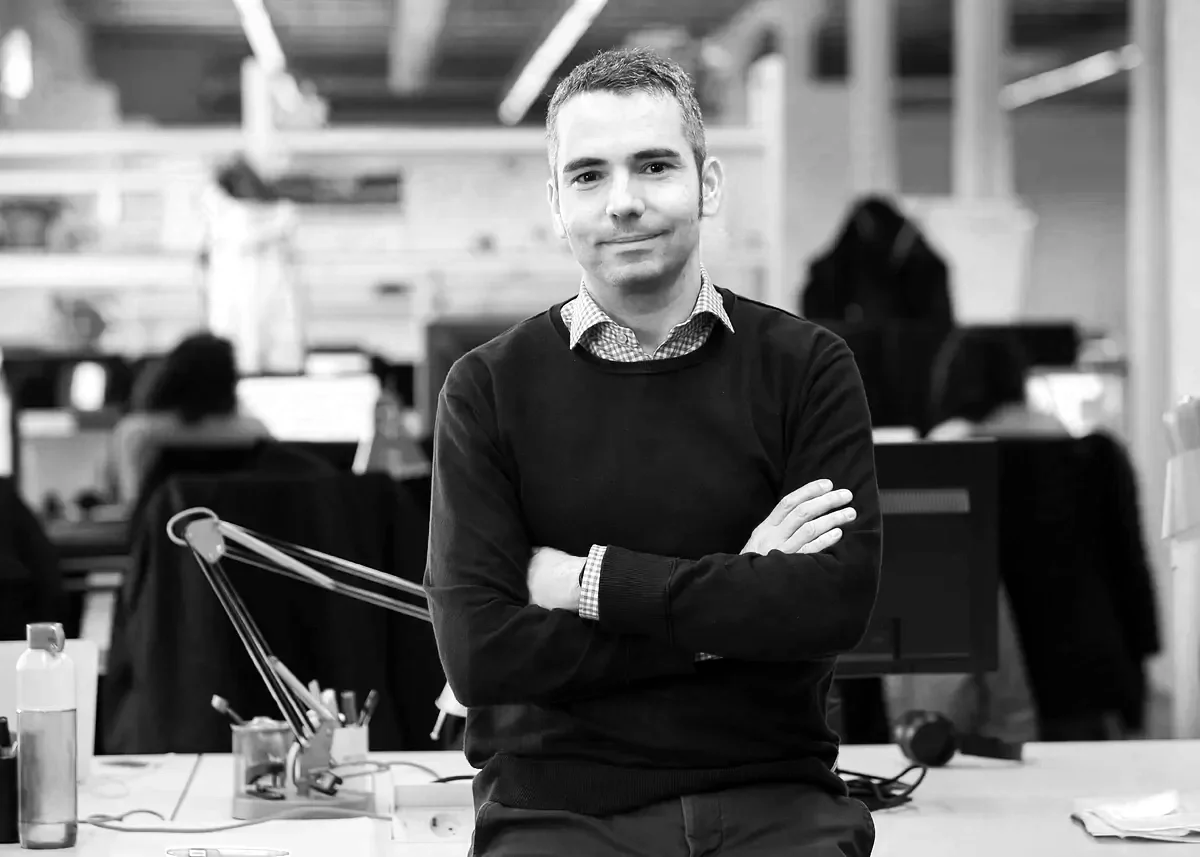
"Precisely because technology, especially Artificial Intelligence, is beginning to perform complex professional tasks with great efficiency, the real competitive difference in the world of work will lie in our ability to develop skills that make us uniquely human, such as creativity, critical thinking, and leadership."
It is not a philosophical reflection. It is an operational observation.
The historical blind spot in talent management
For a long time, the humanities and those trained in them remained off the strategic radar.
Not because they did not add value, but because their impact was difficult to encapsulate in traditional indicators.
Soft skills were valued, but rarely designed in a structured way. It was assumed that they would come with experience, age, or "in time."
However, disciplines such as philosophy, history, ethics, and social sciences have been training for decades precisely what is now becoming critical in organizations: the ability to think in systems, interpret contexts, manage ambiguity, argue decisions, and understand the human impact of each choice.
It is not a cultural discourse. It is a set of skills that many organizations need, but do not always know how to develop.
When the value shifts from executing to deciding
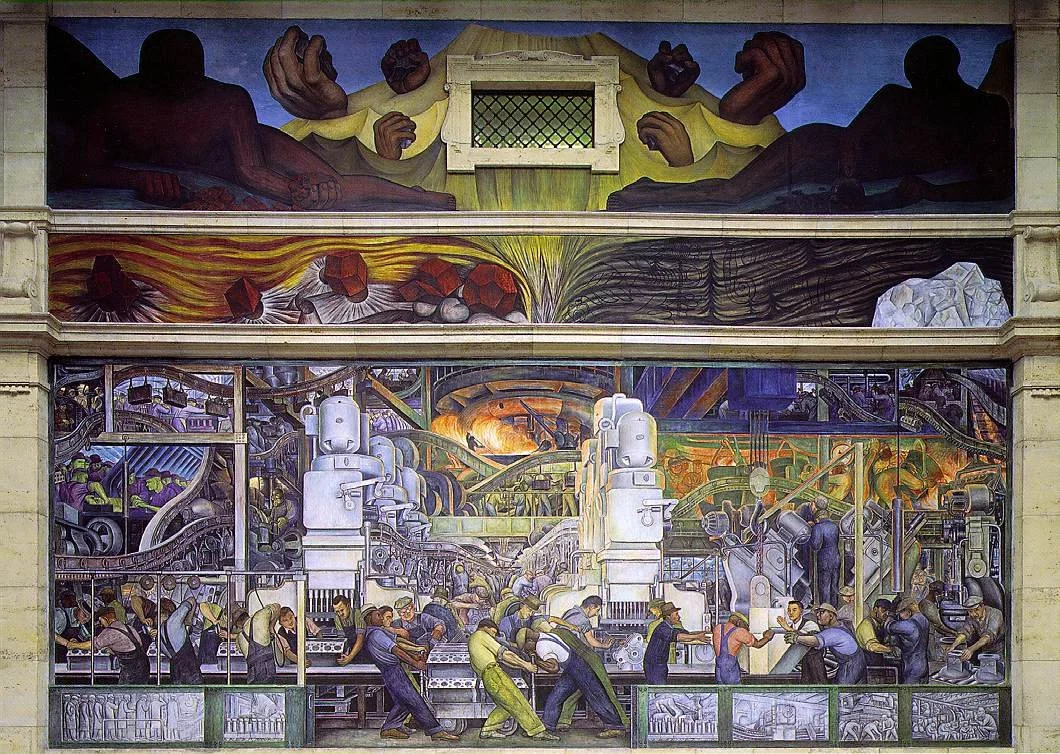
Diego Rivera, Detroit Industry Murals
Automation is shifting human labor toward other types of responsibilities.
Fewer and fewer people are adding value through the repetitive execution of tasks. More and more are doing so through their ability to supervise, prioritize, and make decisions.
This has very specific implications for HR and management: roles evolve faster than job descriptions, previous experience is no longer a reliable predictor of future performance, and potential, judgment, and learning ability are becoming more important than mastery of a specific tool.
It is no coincidence that some technology companies are beginning to prioritize candidates with a background in the humanities. They are not looking for less technical skills, but rather better thinking skills, especially in environments where complexity can no longer be reduced to processes.
Learning as the cornerstone of the future of work
In this context, the conversation about talent inevitably shifts toward learning.
Not as a benefit, but as a structural condition.
As summarized by Alfonso Bustos, Head of Digital & Technical Academy at Ricoh Europe:
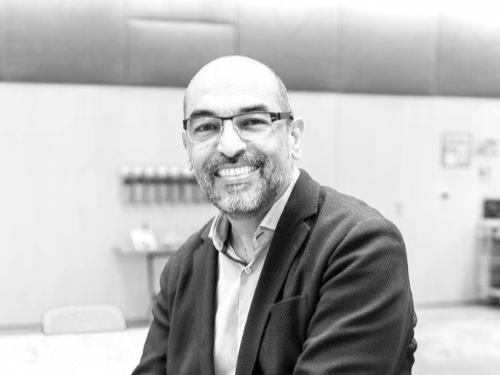
“The future of work is learning.”
Learning understood not as the accumulation of courses, but as the continuous ability to review mental frameworks, question assumptions, and adapt without losing judgment.
And that requires something deeper than updating technical skills: it requires critical thinking, intellectual curiosity, and a solid ethical foundation.
Start a conversation that is already urgent

This reflection does not seek to idealize the humanities or pit them against technology.
It seeks to recognize that they have long been an underutilized asset, and that the current context makes them particularly relevant for those who manage talent and make strategic decisions.
That is why we believe that now is a good time to open this conversation in a rigorous and applied manner.
This is the focus of the conference "Beyond technology: the humanities as a driver of talent," organized in collaboration with Pompeu Fabra University, which will take place on January 22, 2026, in Barcelona.
A space designed for HR leaders and executives who know that the challenge is no longer just attracting talent, but developing it with discernment, depth, and meaning.
Limited capacity, reserve your spot here.
Humanistic talent as an underutilized asset
For years, humanistic profiles have had to justify their place. Today, many organizations are beginning to wonder why they did not integrate them more strategically earlier on.
Not as a cultural complement, but as: facilitators of leadership, translators between technology and people, builders of culture, and agents of meaning in times of change.
The challenge for HR is not to choose between technical skills and humanities. It is to learn how to combine them, develop them, and give them real space to have an impact within the organization.