
Beyond the Technical: What We Learned When the Humanities and Business Came Together
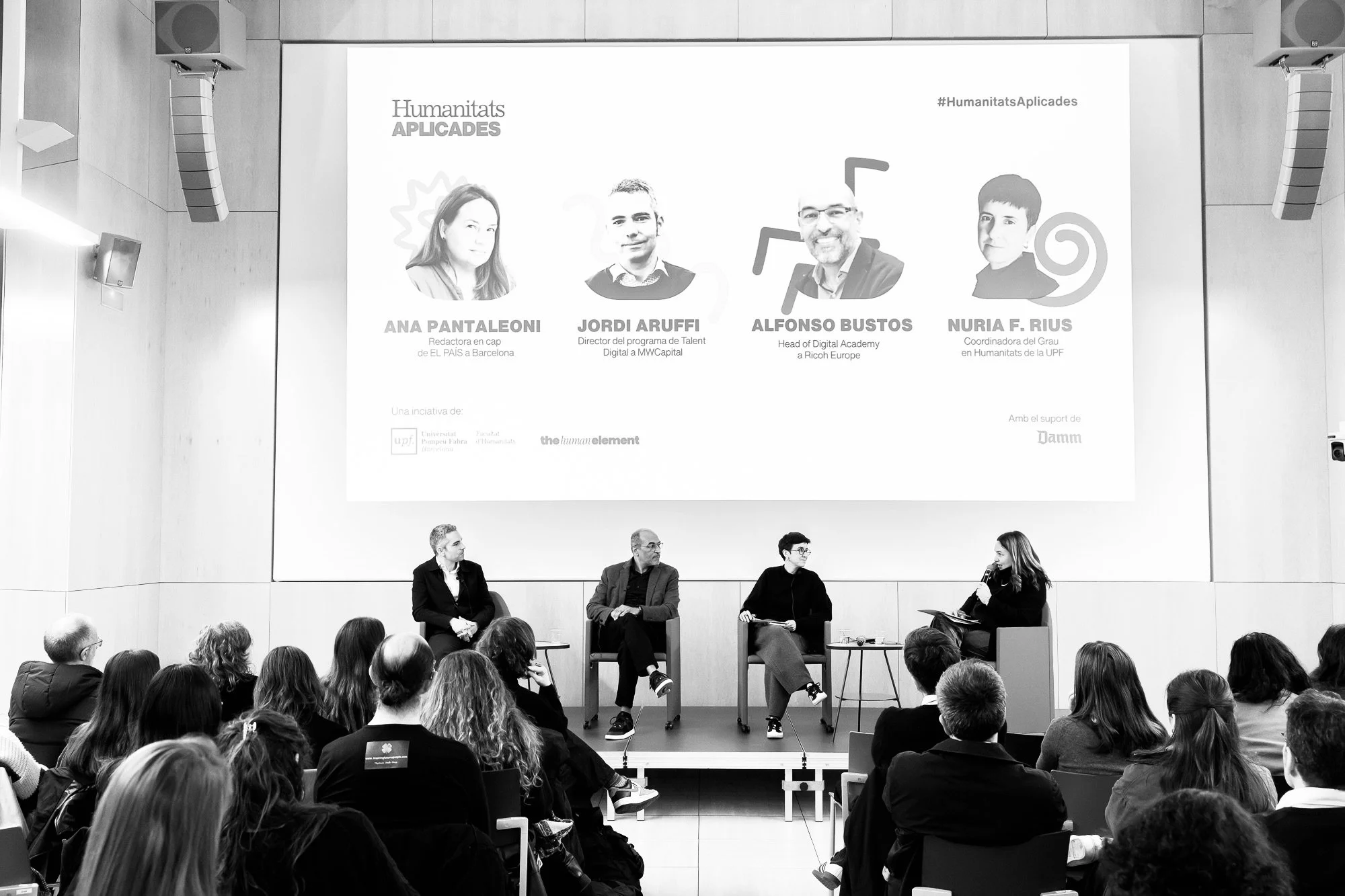
There was a moment, near the end of the evening, when a humanities student stood up and, in a trembling but firm voice, asked what many in the room were thinking: "How do we reach you? Because in many places we're told we can't." The silence that followed said it all. So did the speakers' unanimous response: it is not fear that the business world feels toward the humanities. It is ignorance.
Last January, the Human Element co-organized, together with the Faculty of Humanities at Pompeu Fabra University, the first event in the Humanities Applied series, titled “Beyond Technology: The Humanities as a Driver of Talent.” The auditorium on the Ciutadella campus was filled with students, human resources professionals, researchers, and business leaders who shared their experiences, concerns, and vision for the future of talent.
The question Picasso had already answered
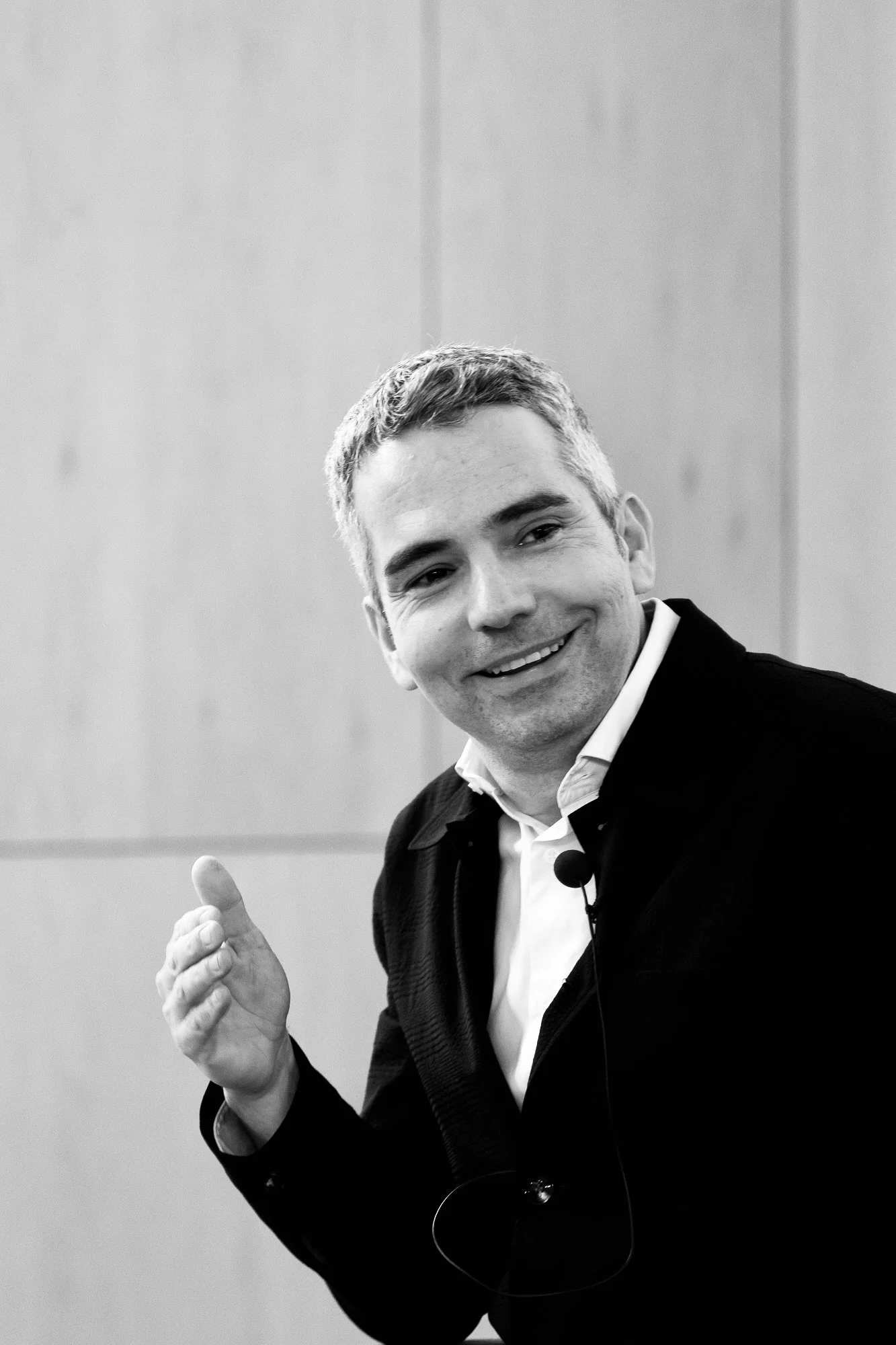
Jordi Arrufí, Head of Digital Talent (MWCapital)
Jordi Arruf kicked off one of the most insightful discussions of the evening by citing the World Economic Forum’s skills report. His argument was clear: in a labor market where automation and AI will eliminate routine tasks, the skills that set us apart from machines are precisely those cultivated in the humanities—critical thinking, ethical reasoning, the ability to contextualize, and the ability to ask the right questions.
"Computers are useless because they only give answers." The quote, attributed to Picasso in the 1960s, resonated in the room with surprising relevance. Artificial intelligence can respond, but not ask questions. It can execute, but not interpret. And in a business environment where 47% of leadership development professionals cite emotional and social intelligence as the most critical skill of the moment —even ahead of 2024—the gap between what companies need and what they hire becomes more evident.
The hiring bias that no one talks about
Jordi Arrufi put it bluntly: for years, HR departments only hired engineers and business administration graduates from specific universities. Everyone else was overlooked.
Alfonso Bustos, a psychologist and director of digital transformation at Ricoh, added another layer: that filter isn't necessarily hostility toward the humanities, but rather a structural bias that organizations themselves are beginning to question.
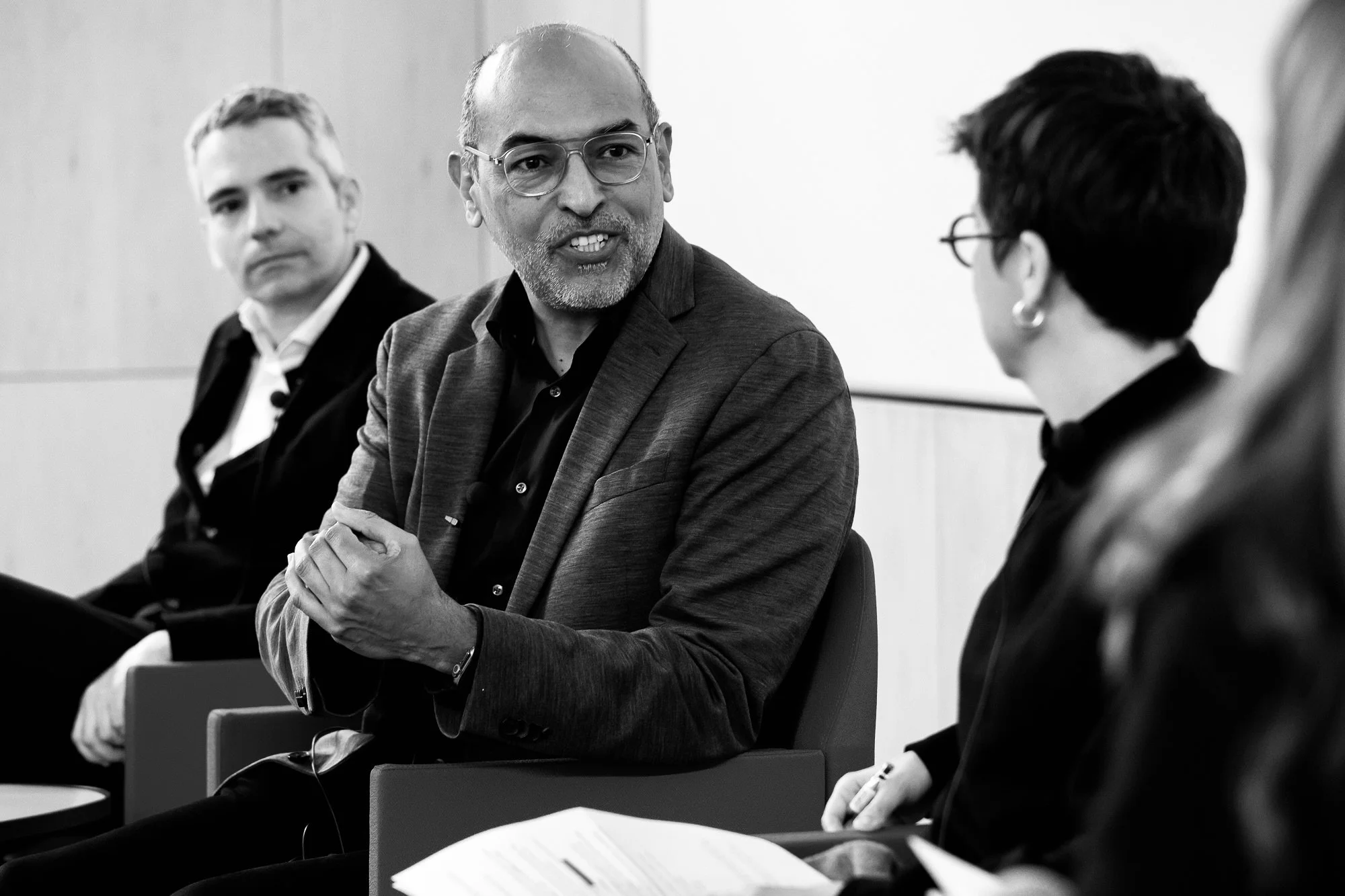
Alfonso Bustos, Ph.D., Head of the Digital Academy, Ricoh Europe
Change is coming, albeit slowly. Firms like BlackRock and Goldman Sachs have begun to review their hiring policies, realizing that years of hiring homogeneous technical profiles had created what they called a “unique mind”: teams that think alike, that don’t question themselves, and that lack the ability to see what AI standardizes. The antidote, according to them, is liberal arts backgrounds—what we in Europe call the humanities.
Gartner backs this up with data: 61% of talent leaders acknowledge that the demands placed on their roles exceed their capacity to respond, and one of the most critical gaps is precisely the lack of strategic agility and complex thinking among leadership teams.
Identity, purpose, and the question of why we work
Ana Pantaleoni, the evening’s moderator, posed a question that seemed uncomfortable at first: “Why do we work?” The speakers’ answers inadvertently formed a manifesto.
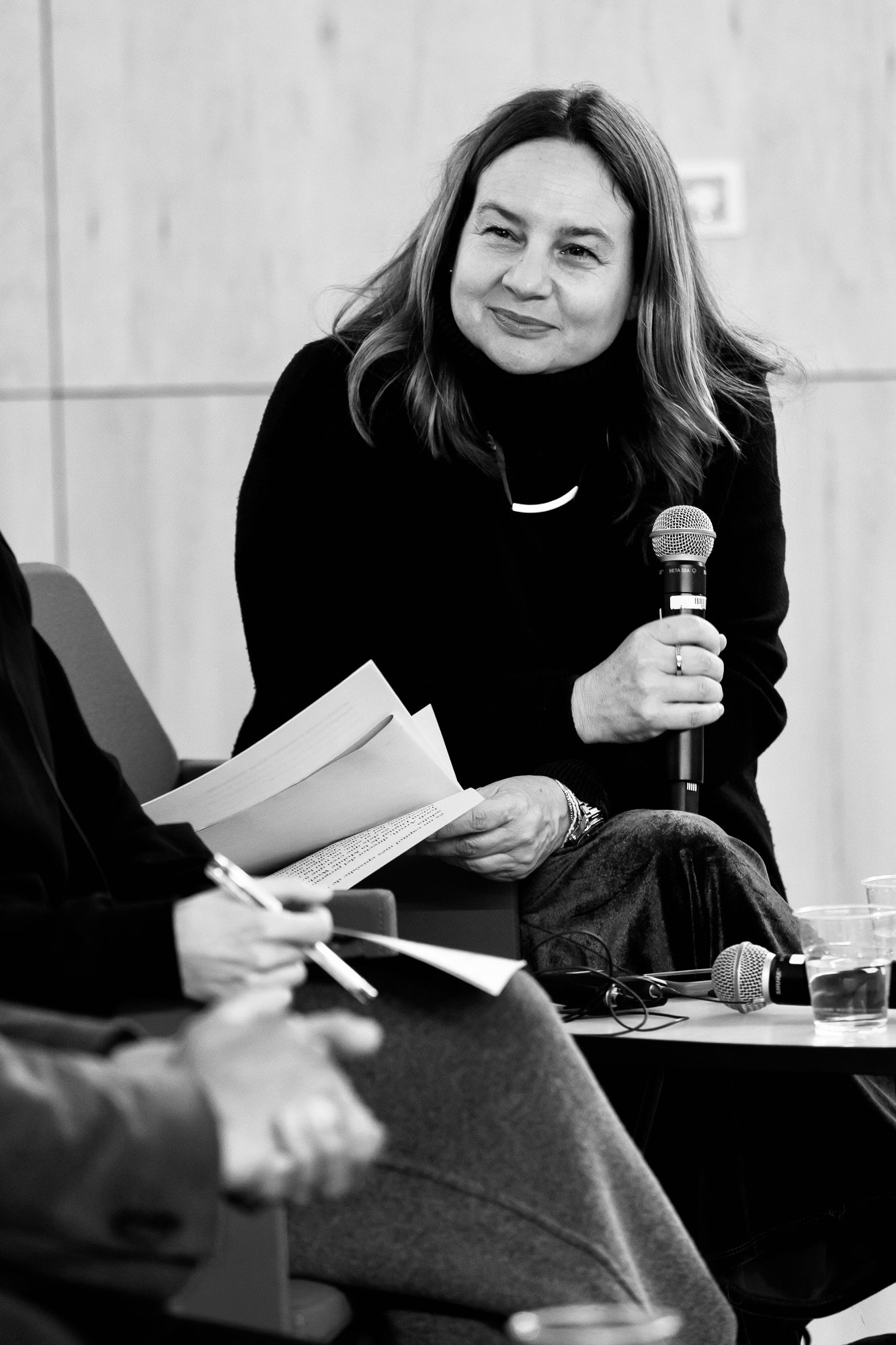
Ana Palantéoni, Managing Editor of EL PAÍS in Barcelona
For Alfonso Bustos, work is a process of identity formation. It is not merely an economic exchange, but the space where we continue to shape who we are—an identity that is no longer fixed, as it was in the last century, but fluid, shaped by the various environments in which we interact.
For Jordi, who went from optimizing EBITDA to working for a social impact foundation, the answer was more personal: "I work to make a difference. And also to pay the mortgage. I’m still caught between the two generations."
The Ricoh case study that Alfonso shared was perhaps the most revealing of the evening. When the company invited him to lead its digital transformation, they didn’t start with technology. They started with their employees’ digital identity, their fears, the ways they interacted with one another, and their willingness to look each other in the eye. The project worked. And when the pandemic arrived as the ultimate stress test, Ricoh’s CEO called him to ask, “Do you think your team has transformed its identity?” The answer was yes. And they survived. The message that gave cohesion to the entire process wasn’t an OKR or a business strategy. It was: “Leave no one behind.”
Gallup estimates that low employee engagement costs the global economy $8.9 trillion, equivalent to 9% of global GDP. It’s not a problem with tools. It’s a problem of human connection.
The Humanist in the Workplace: The Marathon Runner Who Crosses the Finish Line
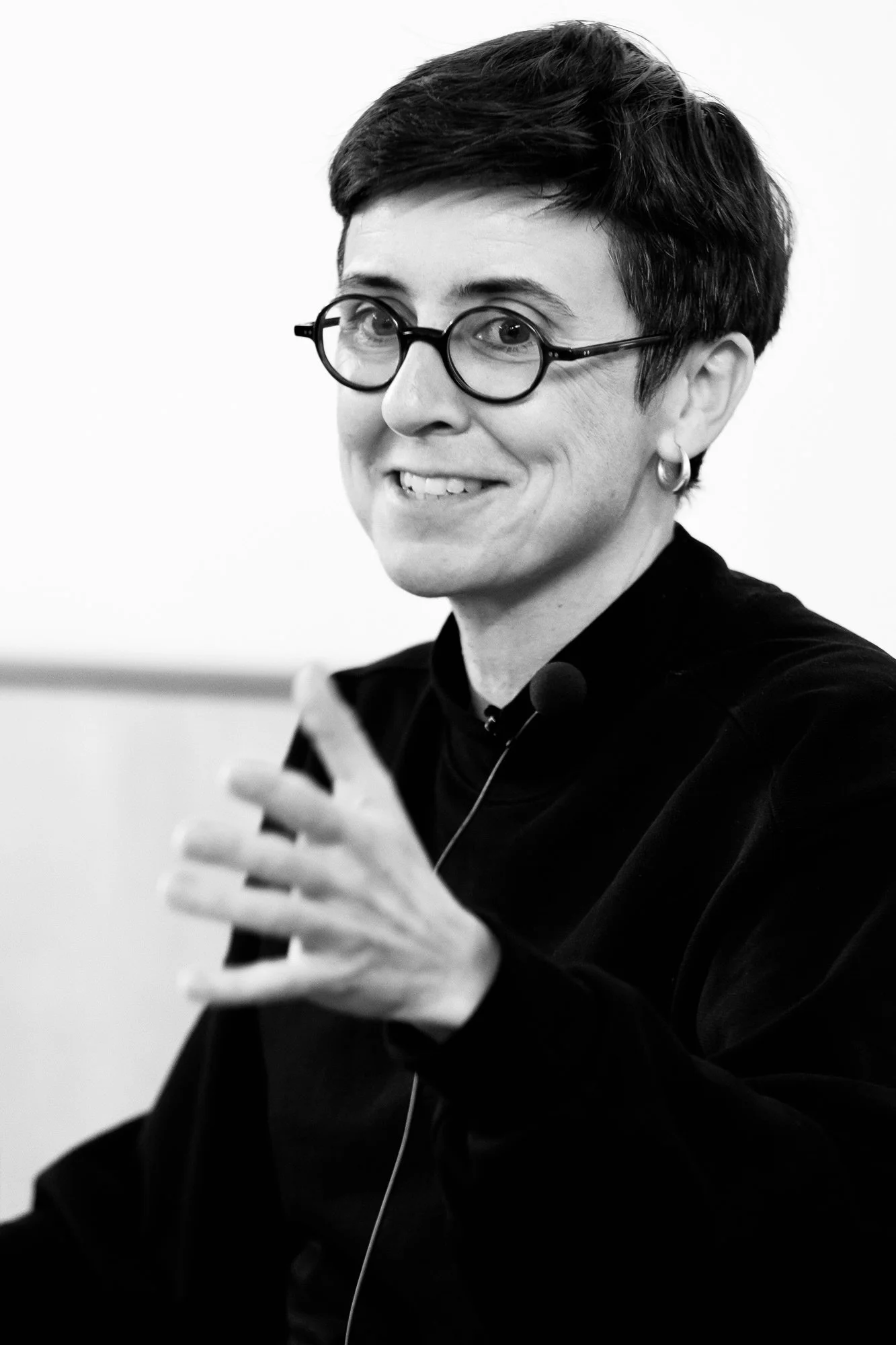
Núria F. Rius, Coordinator of Promotion, Employment, and Institutional Relations, Faculty of Humanities
Núria F. Rius, from the UPF’s Faculty of Humanities, brought up a point that is rarely mentioned in discussions about employability: humanities graduates follow a different career path, not an inferior one.
They start out at a lower salary level, yes. But their ability to move between disciplines, bridge gaps between departments, connect different contexts, and take on leadership roles with a long-term vision puts them on an upward trajectory that outpaces more linear career paths.
What UPF is doing in this regard makes a lot of sense: not overhauling the humanities core in favor of technical subjects—which, as Nuria said, would be “giving in to temptation”—but rather offering electives in economics, communication, and business, and helping students become more aware of their own career paths. Because, as Alfonso pointed out, organizations no longer hire people with linear career paths. They hire people based on their decision-making, contextual leadership, and adaptability. And that is exactly what a humanities degree trains students to do.
The 2025 Harvard Business Impact Global Study confirms this: 47% of leadership development professionals cite emotional intelligence as the most critical skill today, and 46% emphasize the urgency of preparing leaders to support their teams during transformation processes.
These are skills you don't learn in a boot camp.
This meeting was the first of Humanities Applied, a series of talks jointly organized by the Faculty of Humanities at Pompeu Fabra University and the Human Element.
An initiative that began with a simple yet pressing question: How can we bring humanistic thinking to where it is most needed?
The answer, for now, is to keep asking.